The Quebec issue
How Quebec City Lives Through the Deep Freeze
A ten-day, street-level plan for the season Québec City was built around — from the 1884 toboggan slide to a night inside the ice and the Nordic spa that thaws you out.

By Joris van der MeerQuebec City on foot, past the postcard
The cold in Québec City is not weather to be endured; it is the season the place is built around. From December the St. Lawrence drives slabs of ice against the wharves, the stone ramparts turn silver at dawn, and the city does the counterintuitive thing — it moves outdoors. Give it ten days below zero and you will see a place doing exactly what it was made to do.
Start where you can walk
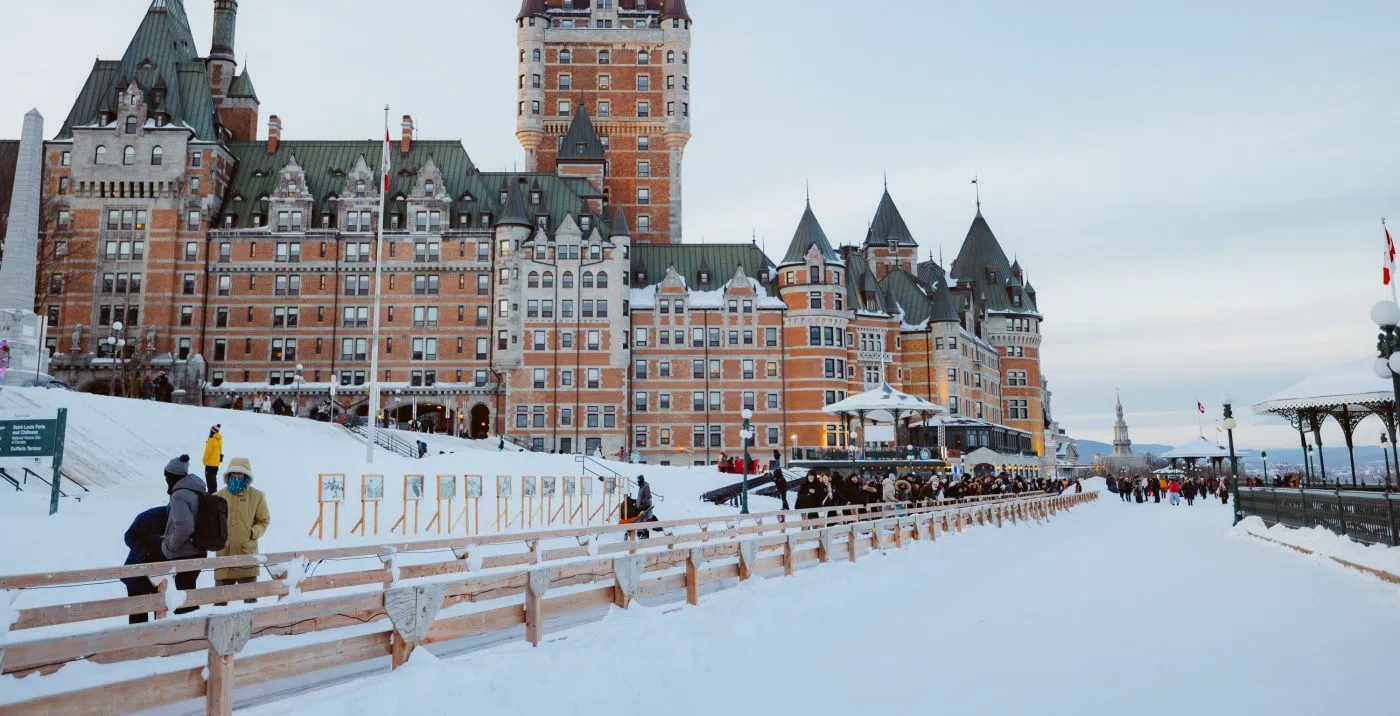
Old Québec is small and steep, and much of the winter happens inside its walls, so begin on foot. Walk out onto Dufferin Terrace, the wide boardwalk that runs along the cliff beneath the Château Frontenac, and you'll find Glissade Au 1884 (Old Québec), a wooden toboggan slide that has carried people down the same lanes since 1884. A four-person sled reaches around 70 km/h on a drop that lasts about thirty seconds, with the château at your back the whole way. There are no time slots and nothing to reserve: you buy a ticket for CA$4, climb the stairs, and go again. It runs from December to mid-March, weather permitting, and it suits a group better than a couple — four to a sled is the point. Dress for the wind, which comes straight off the river and finds every gap.
Plan your Quebec trip
Live prices from our booking partners.
Free cancellation on many rooms. We may earn a commission when you book.
The carnival that runs the season
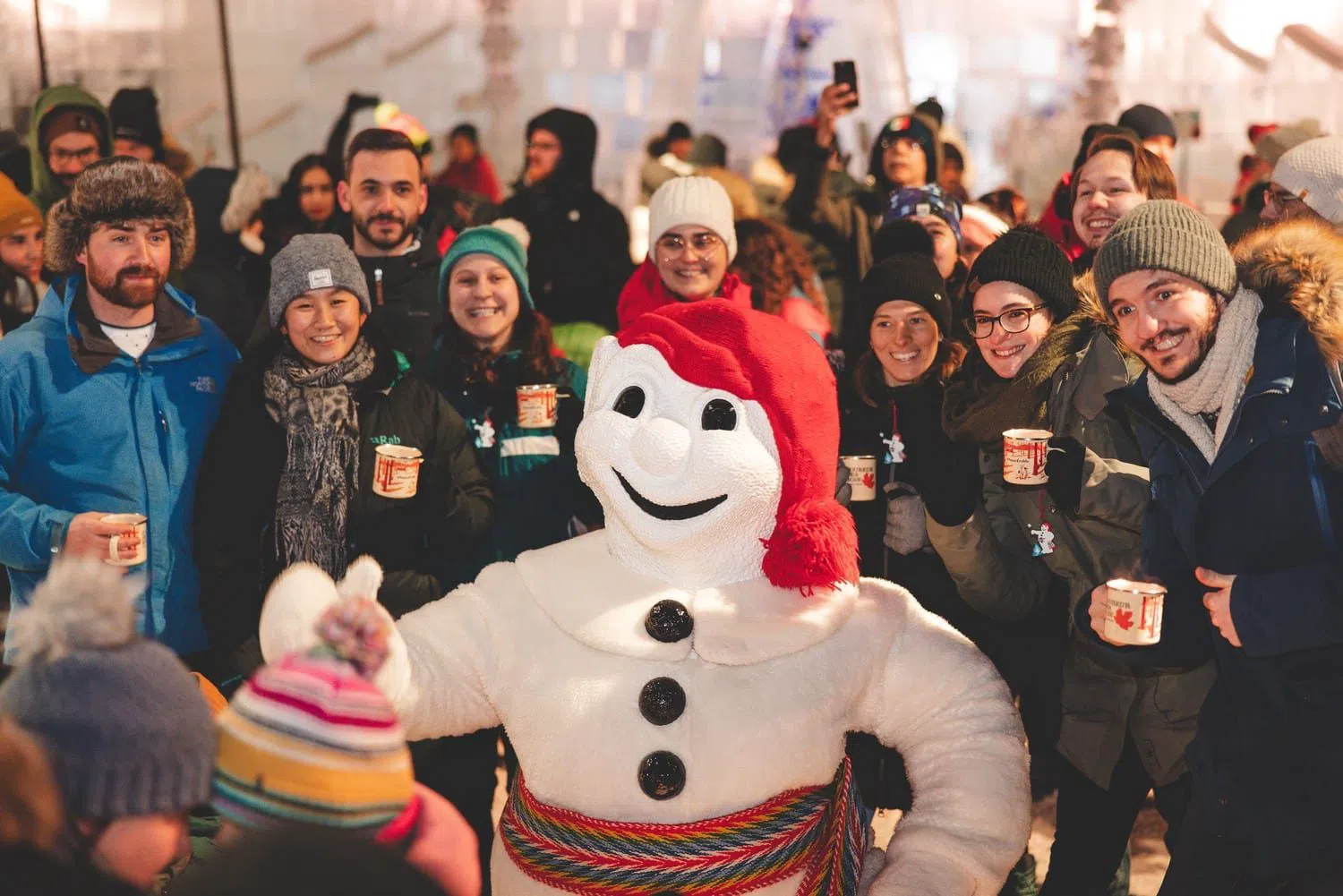
For ten days in February the city hands its winter over to a snowman. Carnaval de Québec (across Old Québec and the Plains of Abraham) reaches its 72nd edition from 6 to 15 February 2026 under the banner 'Salut Bonhomme!', and it is a mass public festival rather than a ticketed show — an ice palace, night parades, and the ice-canoe race across the moving river that is the hardest thing anyone does here on purpose. Entry runs on the Bonhomme effigy, a small figure you pin to your coat; the pass costs around CA$20–30 and a few events cost extra on top. This is the easiest week to feel the city's cold-season identity and the hardest week to find a bed, so book your room first and plan the rest around it. Groups do well here, and so do families.
The sports the river taught the city
Two of Quebec's oldest winter skills were born of necessity on the water, and you can try both.
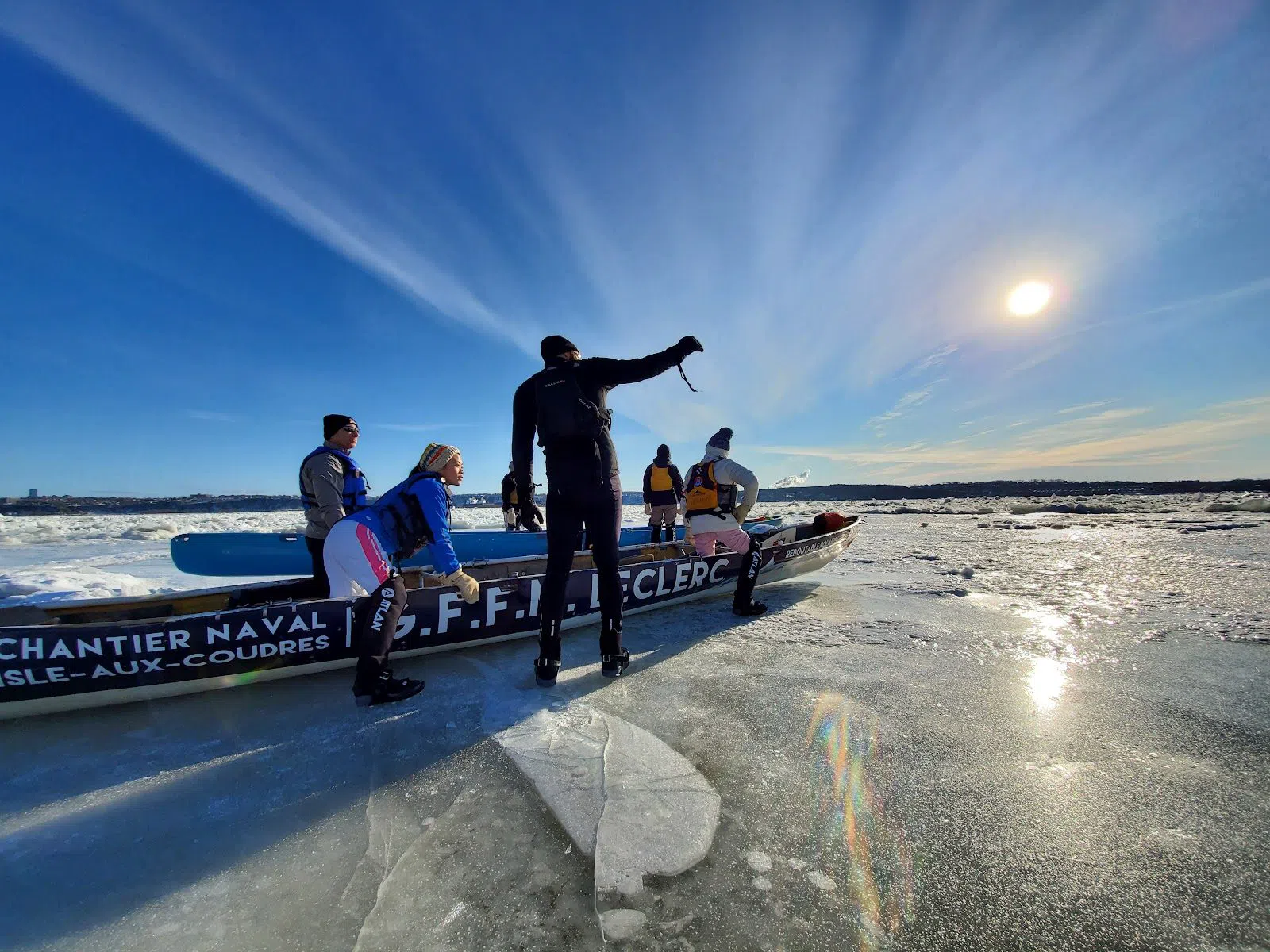
Canot à glace Expérience (on the St. Lawrence, below Old Québec) teaches ice canoeing, which began as the only way to cross the frozen river in winter and is now a sport with its own races. The guided intro runs 60 to 90 minutes in a small group, with a hot-chocolate stop and a Nordic sauna on site to thaw out afterwards, and costs roughly CA$100–150 per person. It is the only operator running hands-on beginner sessions, open from 13 December 2025 to 6 April 2026. Expect to work: you push the canoe over the ice and paddle the open leads between, and you will get wet.
Further afield, Les Glaces du Fjord (on the Saguenay Fjord, several hours north) is a different order of trip. On one of the largest ice-fishing sites anywhere, villages of heated cabins form on the frozen fjord from mid-January, and you jig for redfish, turbot and Arctic cod through a hole in the floor of a warm hut. It costs CA$5 per vehicle to drive out onto the ice, and turnkey heated-cabin rentals — with guiding and gear through operators such as Okwari — suit a group splitting a cabin for the day. This is not a Québec City afternoon; it is a full day or an overnight, and worth treating as its own expedition rather than a side trip.
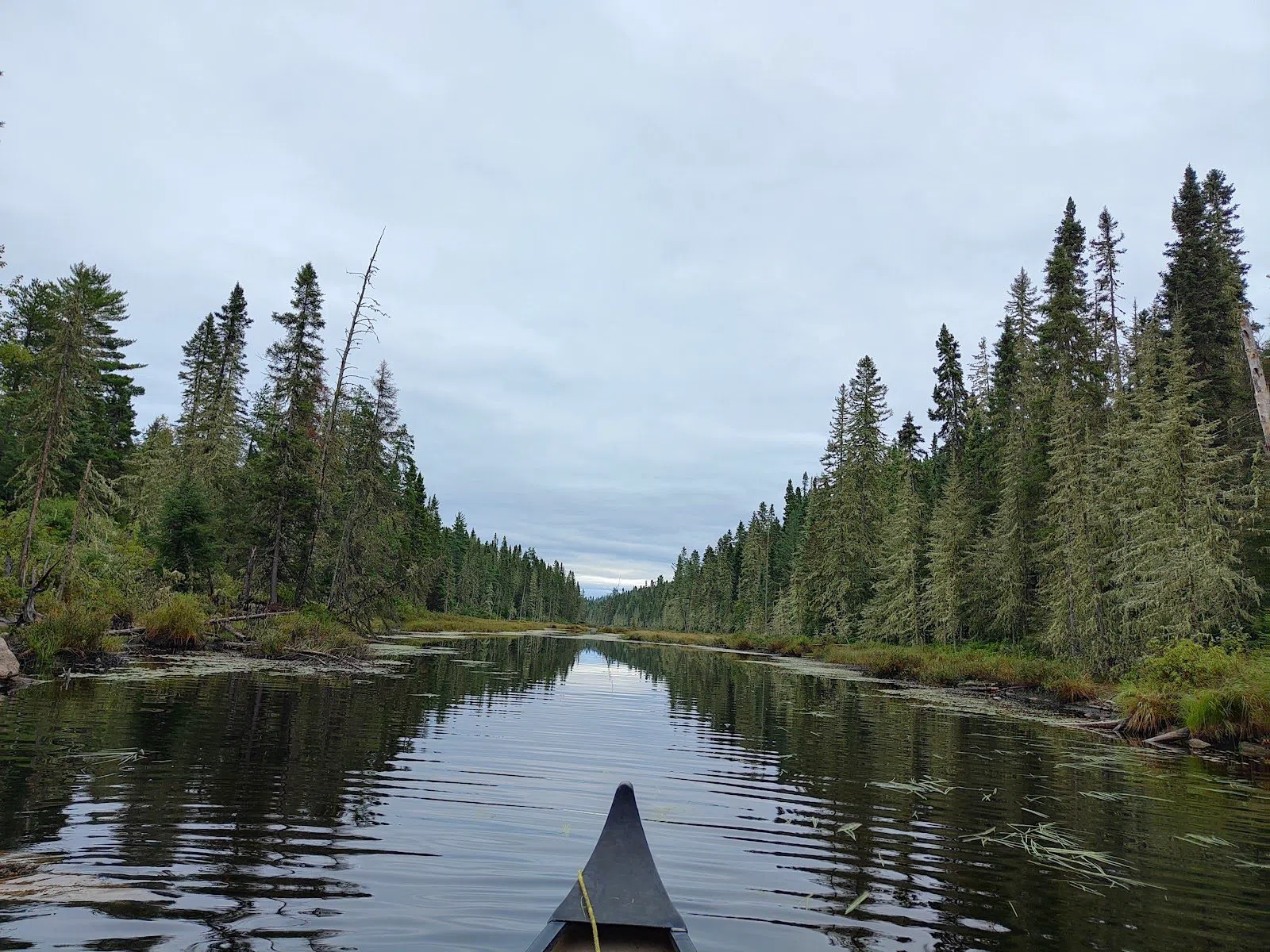
Into the boreal deep freeze
North and east of the city the forest takes over, and the cold gets serious.
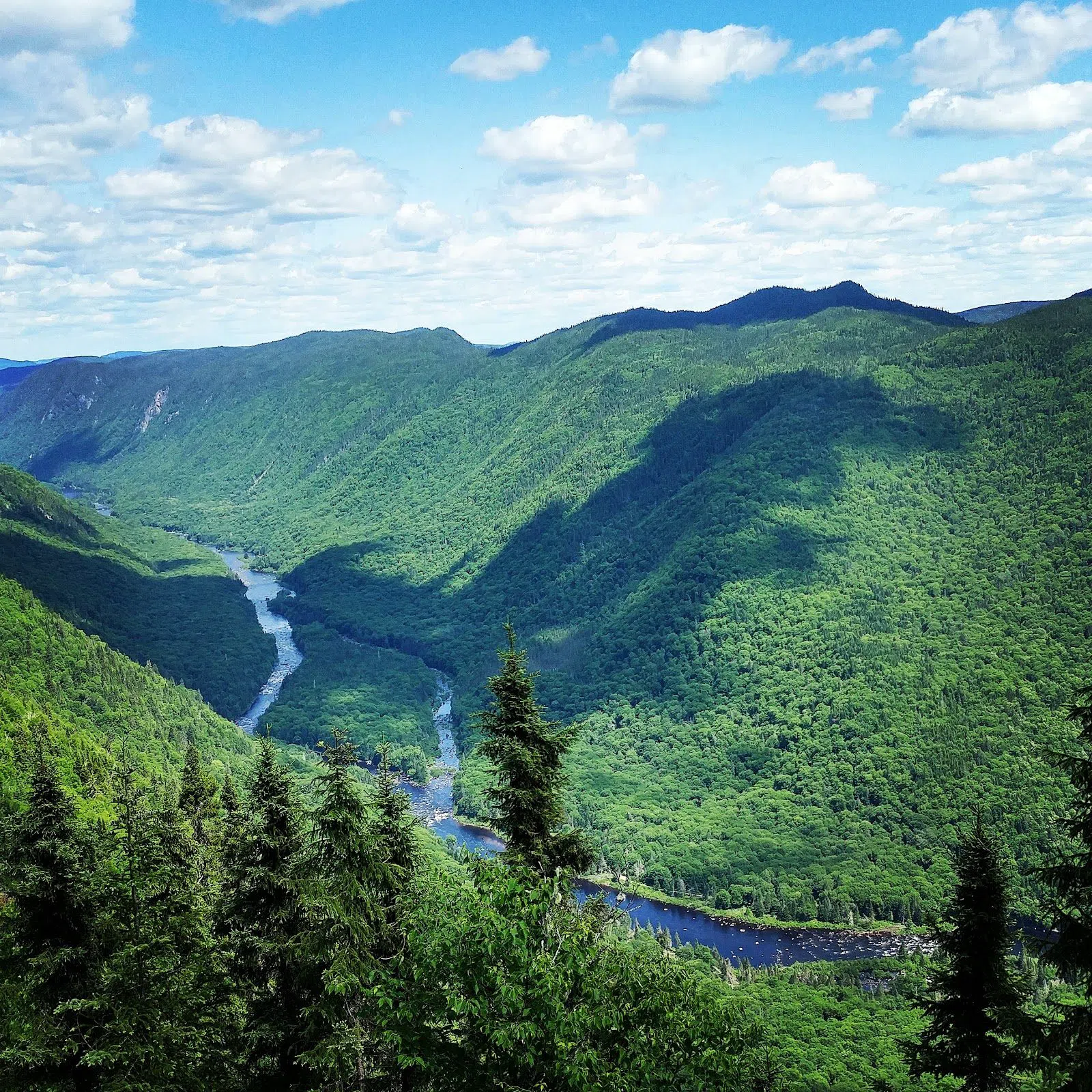
Parc national de la Jacques-Cartier (Sépaq, 30 minutes north) is the gentlest way in. A glacial valley holds 78.7 km of trail across eleven snowshoe routes, with rentals on site, warming refuges spaced along the way, ready-to-camp tents, and rustic chalets; authorised winter camping sits at the Alluvions and Grand-Duc sites for anyone who wants to sleep out in it. Day access is around CA$10 per person, lodging on top. It works for a mixed group — you can turn back to a heated hut when someone has had enough, or commit to a night under the stars if nobody has.
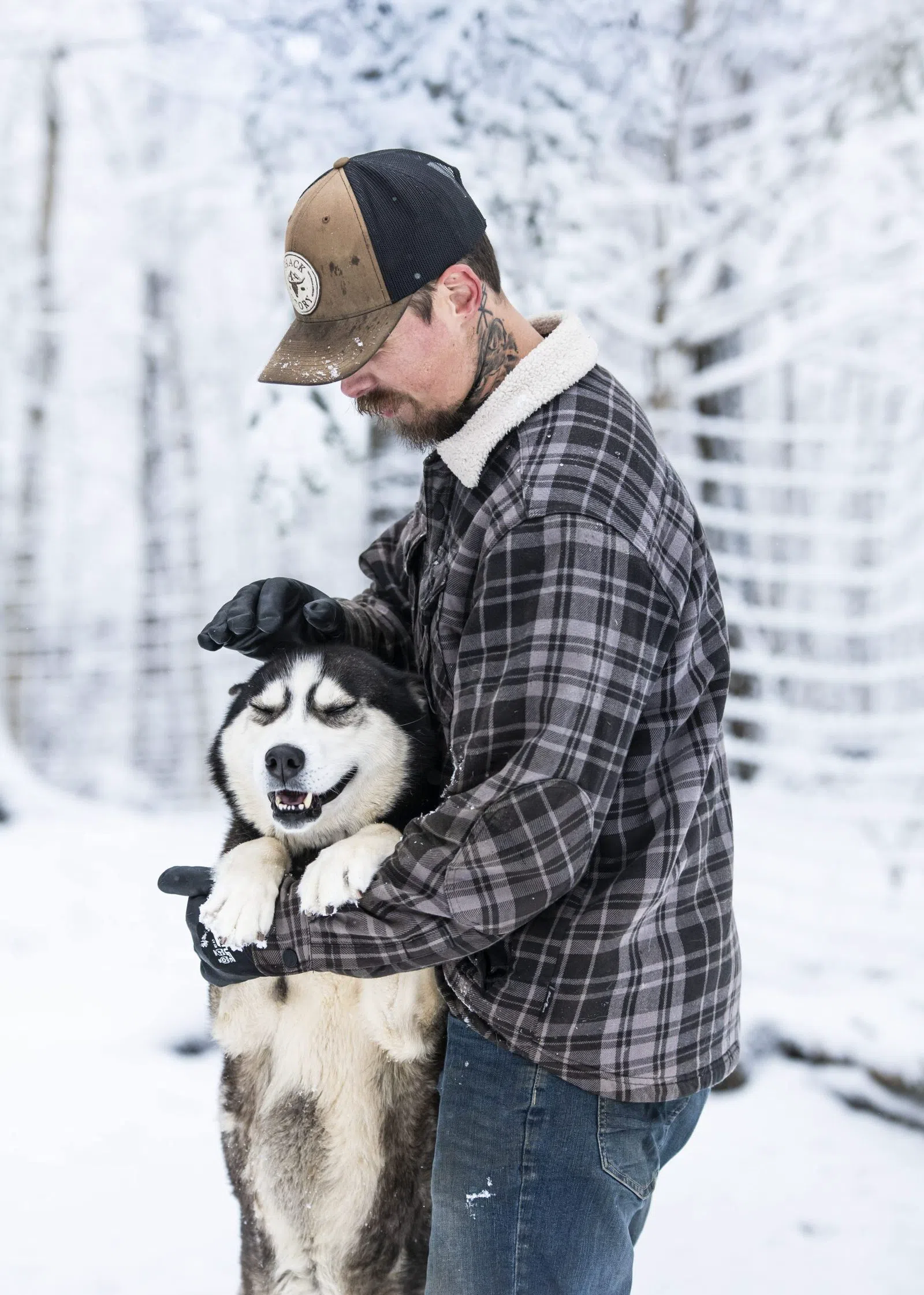
La Meute Nocturne (25 minutes from the city) runs dog sledding after dark, which is the point of it. Four client sleds follow two guide sleds, two people to a sled, so the groups stay small and the pace stays real; it costs roughly CA$150–210 per person. It is quieter and less packaged than the big resort kennels, and departures vary by night, so confirm your date directly rather than assuming a fixed timetable.
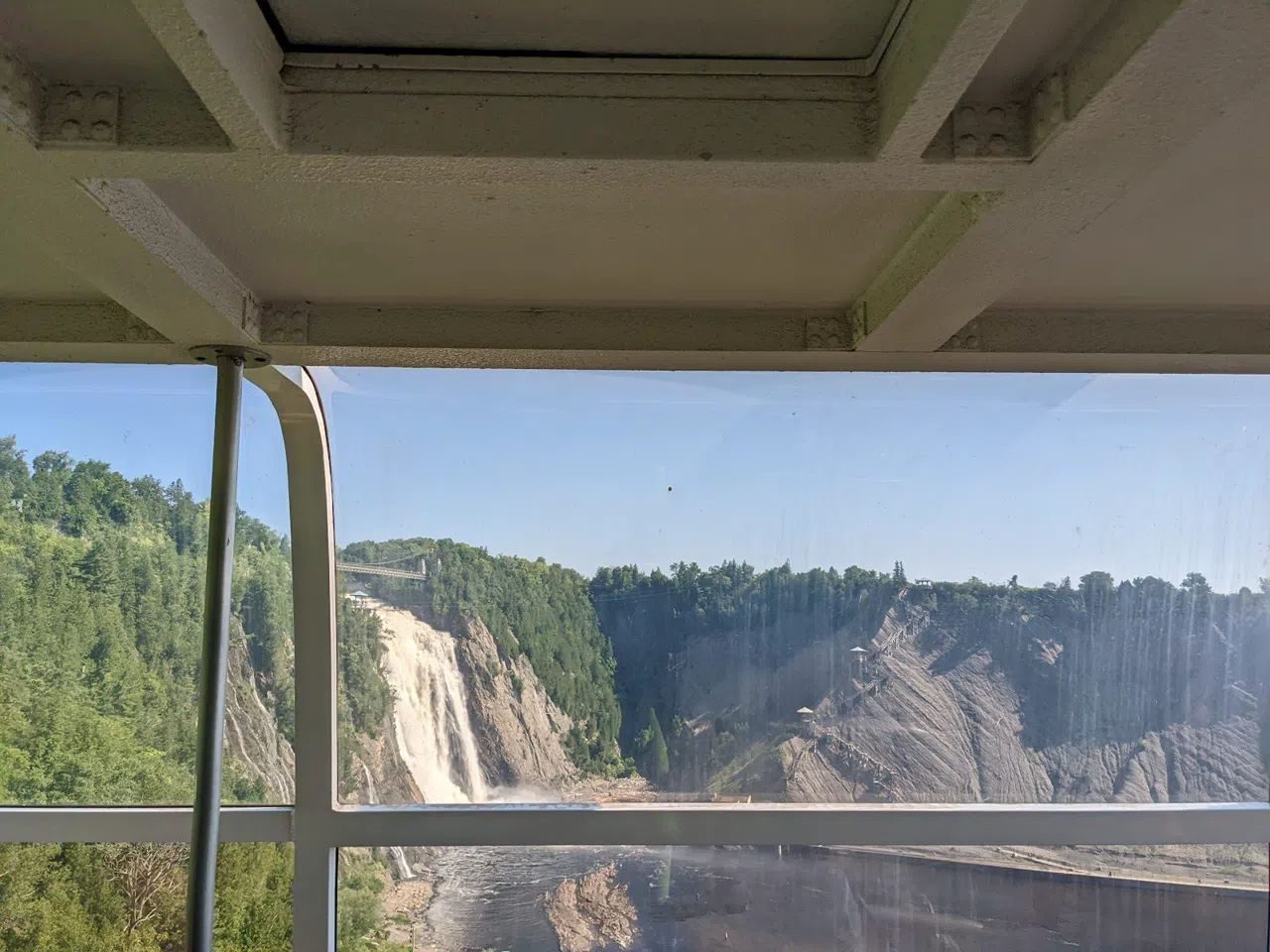
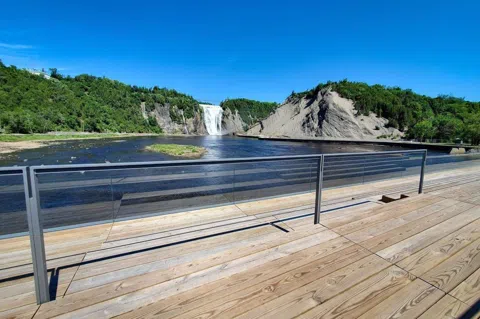
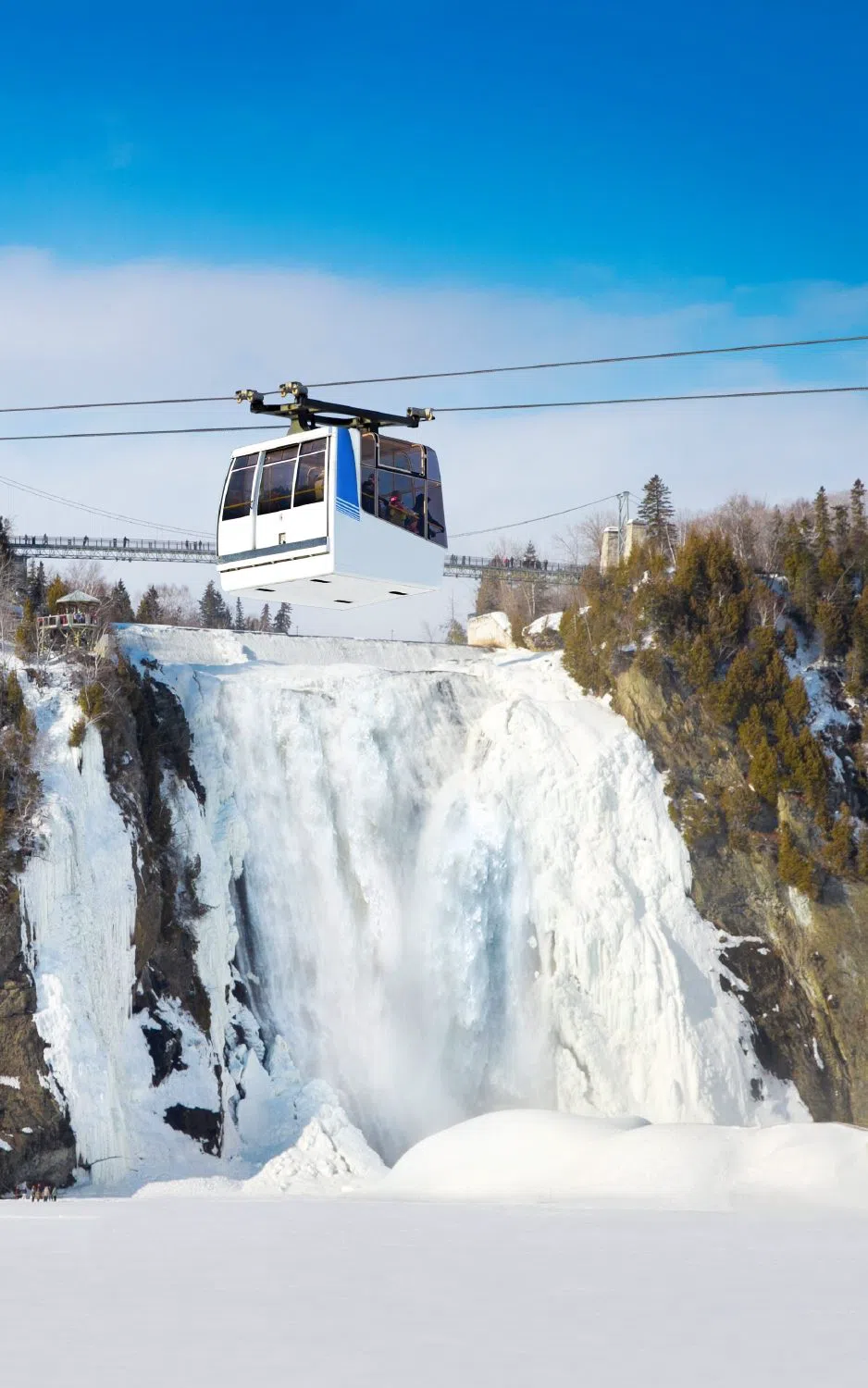
At Parc de la Chute-Montmorency (on the eastern edge of the city) the waterfall freezes into a wall of ice from January to mid-March, and local guides run intro climbs at its foot with all the gear provided. A guided outing runs about CA$120–180 per person, in small groups. Book the guided package rather than turning up — and note the site's via ferrata cable circuits are closed this season, so come for the ice and nothing else.
The mountain and the luge
Le Massif de Charlevoix (in Charlevoix, about an hour northeast along the river) has the biggest vertical drop east of the Rockies and a season running 6 December 2025 to 12 April 2026. Beyond skiing and snowboarding, and snowshoe trails off the summit, there is a snowcat-served luge — a long banked track you take on a low sled, closer to a snow go-kart run than anything genteel. The luge is ticketed separately at around CA$45; lift tickets cost more. It is set up for groups, with twilight sessions once the light goes flat and blue.
A night inside the ice
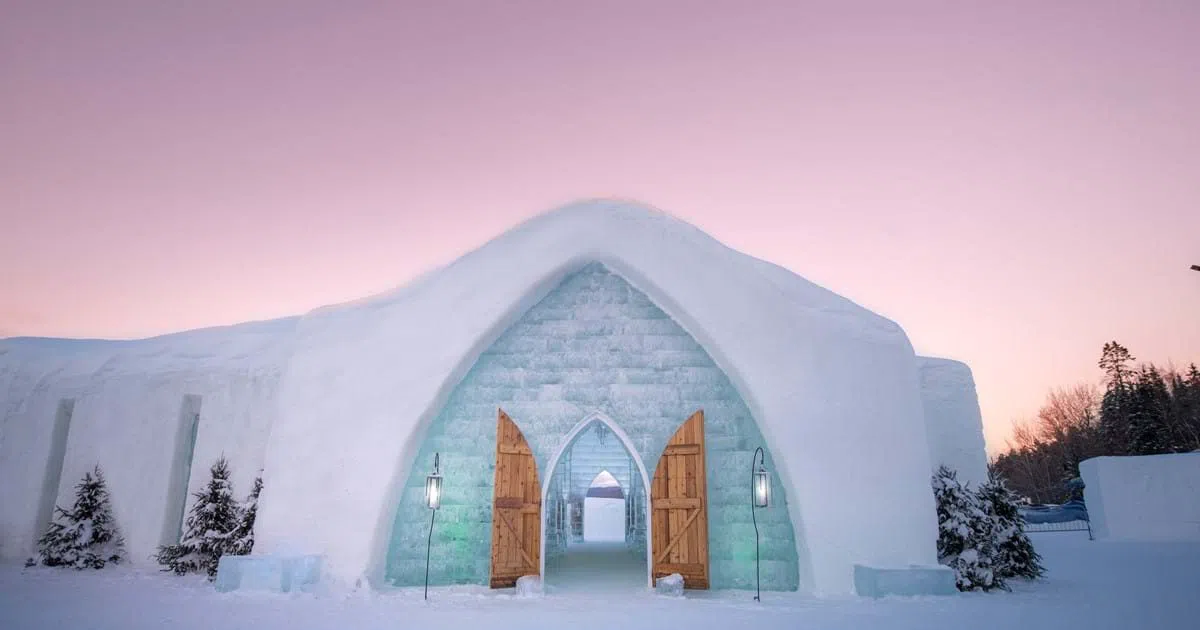
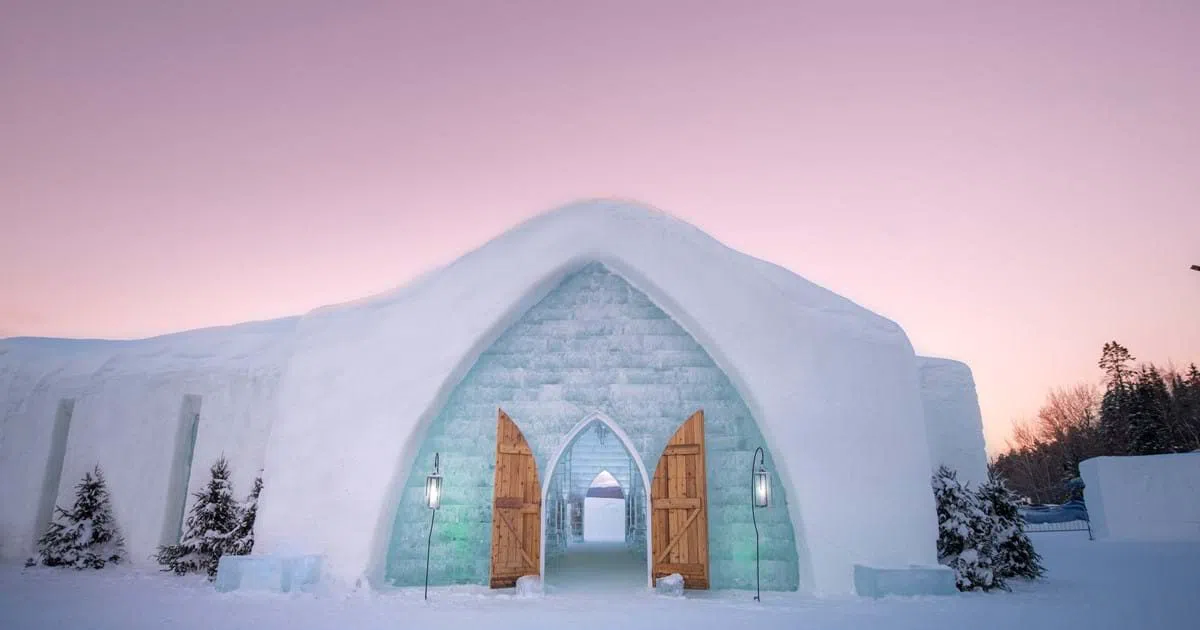
Thirty minutes north of the city, Hôtel de Glace (north of the city) is rebuilt from scratch every winter and is the only ice hotel in North America. The 2026 build opened on 4 January on the theme "Hôtel de Glace Comes Alive" and will melt by April, which is the honest bargain of the place: nothing here is permanent. Most people visit by day, when a self-guided walk through the carved suites, chapel and ice bar runs from 10am to 9pm and costs around CA$25–30. You can also sleep in an ice pod — packages start north of CA$400 and are a genuine commitment to being cold — or book the 60-seat ice-dining experience that runs Thursday to Saturday, which needs reserving about seven days ahead. It takes groups easily. If you would rather see it and then retreat to a warm room in town, that is what most visitors do; a Quebec hotel search will sort the bed.
After dark
Igloofest (Québec City, 5–7 March 2026) brings its open-air electronic-music weekend to the city at the tail of the season, in its 18th year. The premise is simple and slightly absurd: several thousand people dancing outdoors in deep cold, the sound system going, breath fogging under the lights. Tickets sell by the night or the weekend, roughly CA$50–75 a night, and it is built for groups. The one rule that matters is clothing — you are standing still in the cold for hours, not moving, so dress the way you would to watch, not to exercise.
The warm half of the ritual
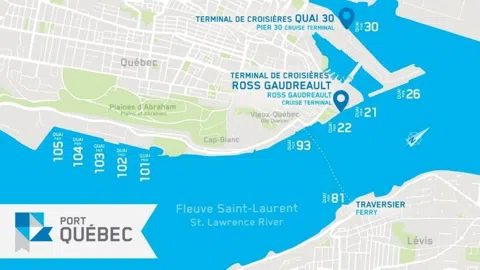
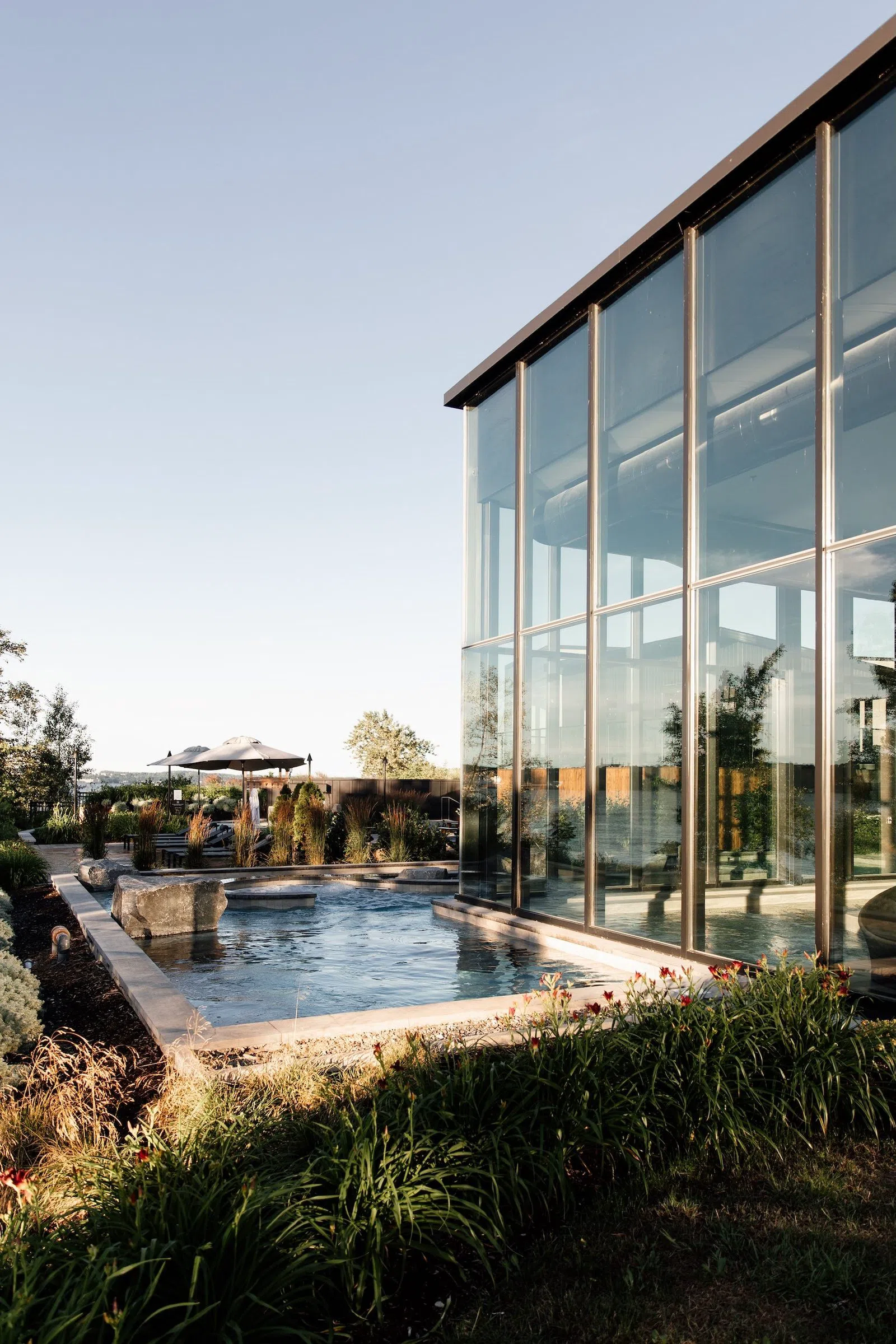
Every day spent in the cold here has a second half, and Quebecers take it as seriously as the first. Strøm Nordic Spa (Vieux-Québec) is where you close the loop: the thermotherapy circuit moves you between hot baths, dry saunas and a plunge into cold water — or into the snow itself — in a repeating cycle that leaves you loose and warm from the inside. Thermal access runs around CA$65–85 on timed entry; it is a short walk from Old Québec and steps from the cruise terminal, and it books out on weekends. A group can do the circuit together, but understand the room: it keeps quiet zones and a low, unhurried mood, so it rewards couples and calm company more than a loud crowd. Come here at the end of a hard day outdoors and you will finally understand how the city does this all winter.
Practical notes
Getting around: the old town is compact and walkable, and its steepest stretch has a funicular if the ice on the stairs looks unfriendly. Most of the outlying venues sit 25 to 60 minutes out, and a few are further; rent a car with proper winter tyres, or book operator transfers where they exist, and never assume a rural road is bare.
Cash: Canada runs almost entirely on cards, but keep small cash for the things that don't — the CA$4 toboggan rides and the CA$5-per-vehicle drive onto the ice among them.
Timing: the core season is January to mid-March. Carnaval (6–15 February) is the busy peak — beds go early and prices climb — while the shoulders on either side are quieter and just as cold.
Budget: reckon on CA$10–30 for a day's activity like the toboggan, the parks or a day at the ice hotel; CA$65–85 for the spa; CA$100–210 for the guided river sports, dog sledding and ice climbing; and CA$400 and up if you sleep in the ice. Layer properly, and you'll spend the difference on doing more rather than on getting warm. For the rest of the city — where to eat, what's open off-season — start with the Quebec guide.
Before you go
When is the best time to visit Quebec City for winter activities?
The core winter season runs January to mid-March, when the toboggan slide, ice hotel and outdoor sports are all open. Carnaval de Québec (6–15 February 2026) is the busiest, liveliest window — book accommodation well ahead, as beds sell out and prices rise.
Do I need a car to reach Quebec City's winter activities?
Not for the old town, which is compact and walkable, with a funicular for the steepest stretch. But most outlying venues sit 25–60 minutes out, and a few further, so rent a car with proper winter tyres or book operator transfers where they exist.
How much does a visit to the Hôtel de Glace cost?
A self-guided day visit (10am–9pm) runs around CA$25–30. Overnight ice-pod packages start north of CA$400, and the 60-seat Thursday–Saturday ice-dining experience needs reserving about seven days ahead. The 2026 build opened 4 January and melts by April.
What is the Dufferin Terrace toboggan slide and do I need to book?
Glissade Au 1884 is a wooden toboggan slide on Dufferin Terrace, running since 1884 and hitting about 70 km/h in a 30-second drop below the Château Frontenac. There are no time slots and no reservations — you buy a CA$4 walk-up ticket, open December to mid-March, weather permitting.
Which Quebec City winter activities suit couples versus groups?
The Strøm Nordic Spa keeps quiet zones and a calm mood, so it rewards couples and quiet company. The toboggan slide (four to a sled), Carnaval, ice fishing and Le Massif suit groups, while dog sledding and ice canoeing run in small guided groups — good for a handful of people.