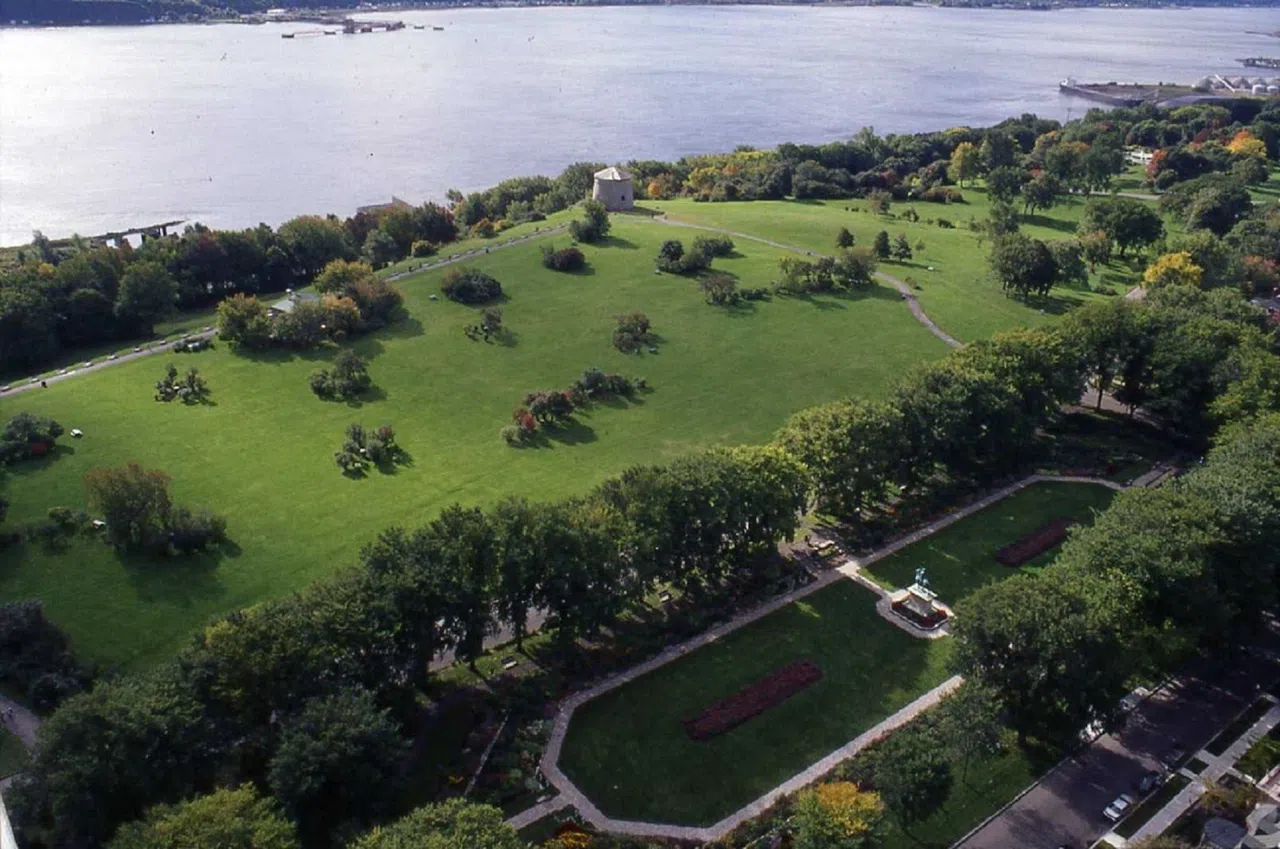

You are standing on a killing field that spent two and a half centuries un-becoming one. On 13 September 1759, British and French forces fought here for perhaps twenty minutes, and the outcome reset the map of North America. Today the same ground carries toddlers on tricycles, cross-country skiers, and close to a hundred hectares of open grass that Quebec City has never once thought to build over.
The Battlefield Itself
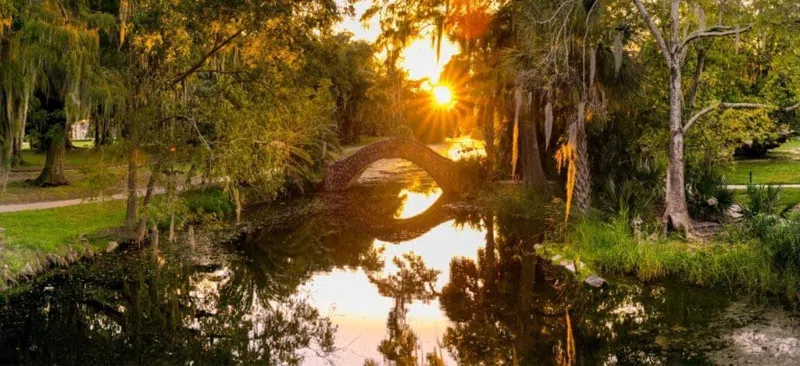
The Plains of Abraham (Parc des Champs-de-Bataille, also called Battlefields Park) sits in the Montcalm district, pressed right up against the stone walls of Vieux-Québec. It is free, unfenced, and open every day of the year — there is no gate to pass through and no ticket booth to find, which is part of the point. This was farmland belonging to a river pilot named Abraham Martin when the armies met here; it has been a public park since 1908, on the 300th anniversary of the city's founding, which makes it older than most national parks in Canada.
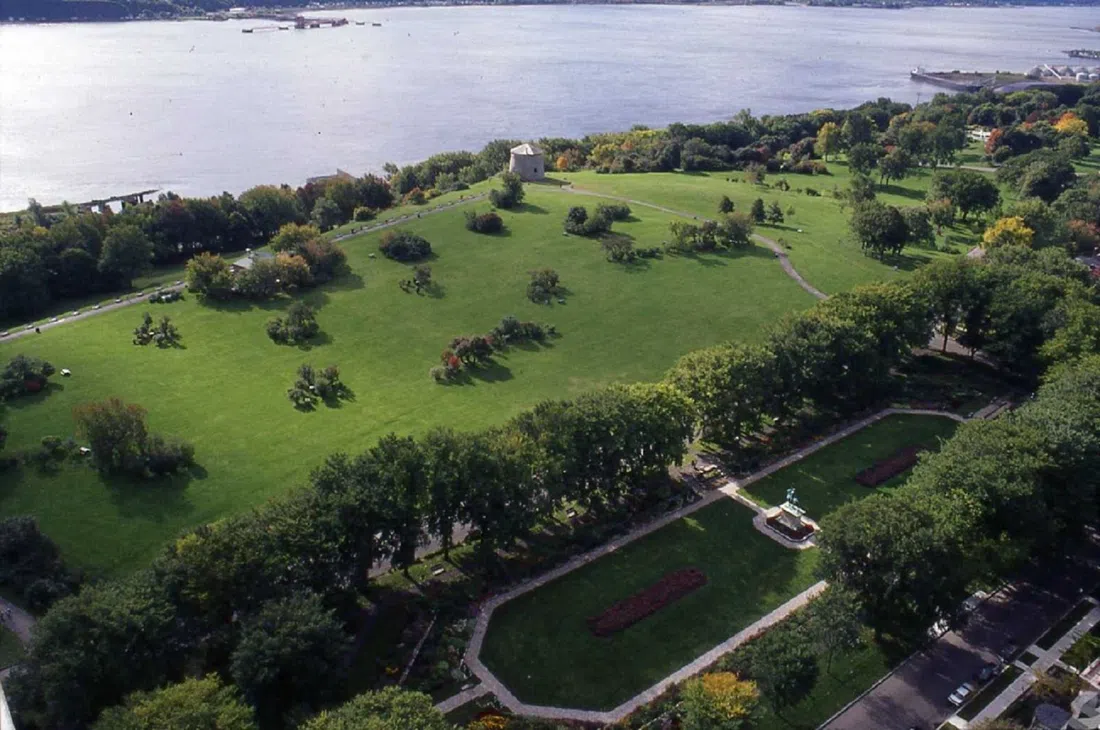
Walk it in July and you will find the lawns full: families spread out with blankets, joggers on the gravel paths, and — on festival evenings — large crowds gathered for outdoor concerts on the natural slope near Avenue Wilfrid-Laurier. Walk it in January and the same slope becomes a groomed cross-country ski and skating trail, lit after dark, free to use if you bring your own gear. That range — farmland to battlefield to festival ground to ski hill — is the whole story of the park in one sentence, and no other stop on this list tells it as directly.
Two small museums sit inside the park boundary and both handle groups and school tours with advance booking: the Plains of Abraham Museum, which explains the battle and the site's later history, and Martello Tower 1, one of four defensive towers built after 1808 when Quebec feared an American invasion that never came. Combined admission runs roughly $16–19 CAD, and either makes sense as a forty-minute stop before or after simply walking the grounds, which is free and needs no booking at all. For an overview of where to base yourself for a visit, see the Quebec guide.
The High Ground: Citadelle and Ramparts
Climb from the Plains toward the river and you reach Cap Diamant, the highest point of the promontory and the reason two empires fought over this city at all. La Citadelle de Québec occupies it now, a star-shaped fortress built by the British after 1820 and still, unusually for a tourist attraction, a working military base — home to the Royal 22e Régiment, the "Van Doos," a French-speaking Canadian infantry regiment with a long service history. That active status shapes how you visit: this is not a ruin you wander freely, but a garrison you tour on a guided route, year-round, with groups able to book ahead of individual visitors. Adult admission runs $18–22 CAD and includes both the guided walk and entry to the Royal 22e Régiment Museum inside. If you want to see the changing of the guard, check the schedule before you go — it runs only in summer and depends on troop availability.
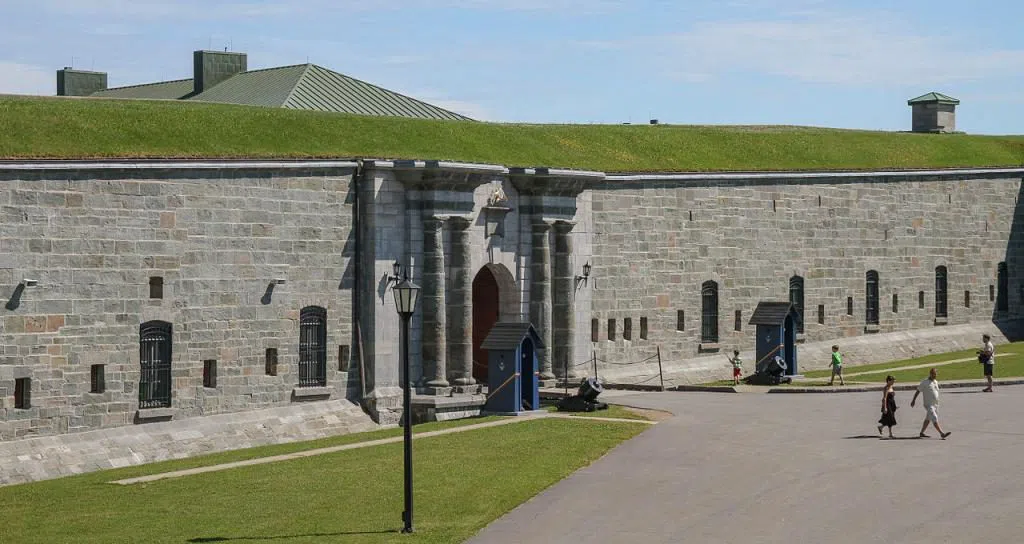
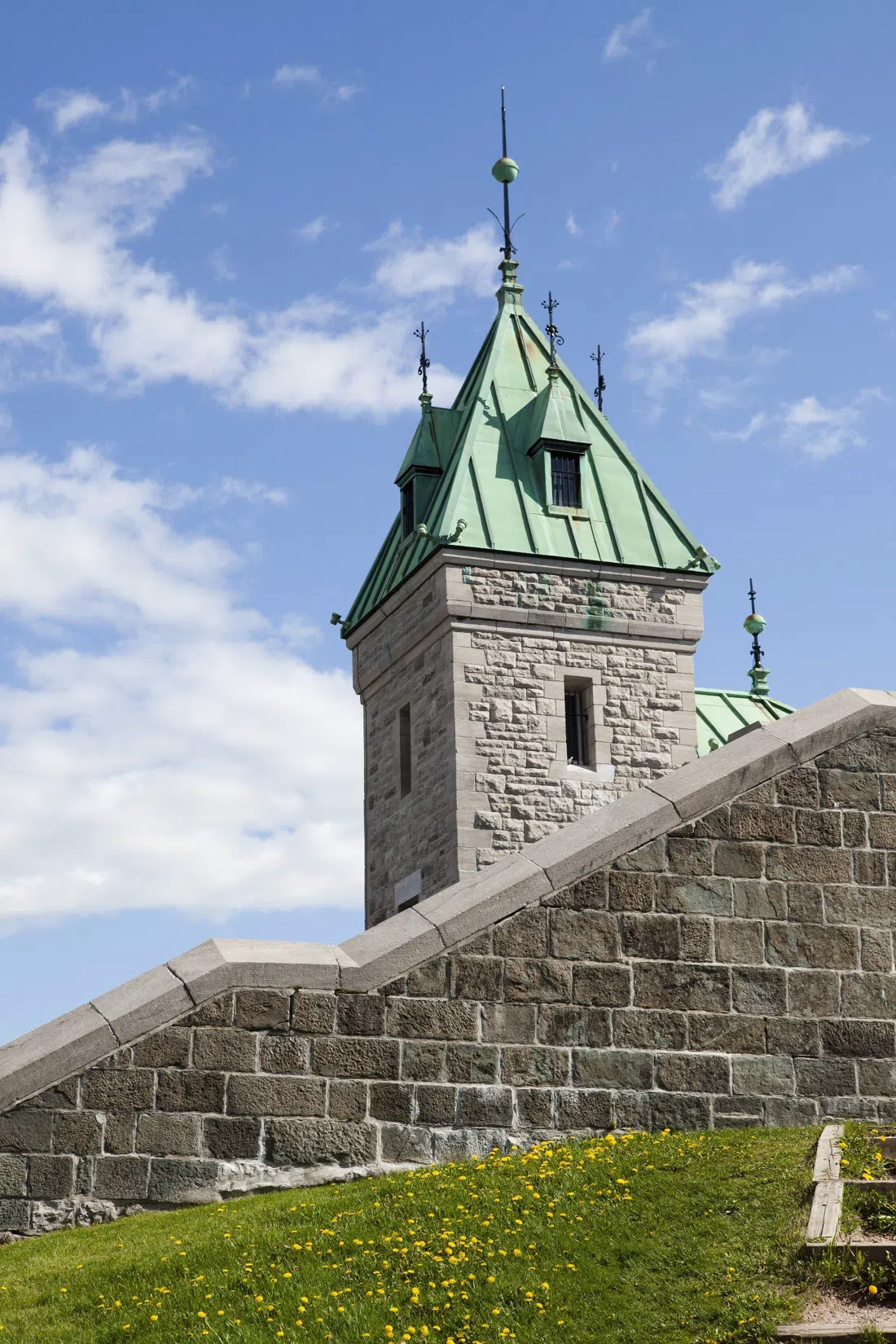
The Citadelle sits inside a larger ring of stone that Parks Canada maintains as the Fortifications of Québec National Historic Site, the ramparts walk and Artillery Park that encircle Vieux-Québec. From 19 June to 12 October 2026, Parks Canada runs free guided walks daily along the walls, and groups are welcome with advance notice — worth arranging if you're travelling with more than a handful of people, since guides pace differently for a school group than for two people with a map. Entry itself is free throughout, and Parks Canada is waiving general site admission fees from 19 June to 7 September 2026 as well. Walking the full circuit of the walls takes under two hours and gives you the counterpoint the Plains can't: those open lawns only exist because this stone ring made the high ground worth capturing in the first place.
Art on the Battlefield
Tucked inside the Plains itself, at the Grande Allée end of the park, is the Musée national des beaux-arts du Québec — MNBAQ to almost everyone who uses it. It is proof the site never stopped being used: the museum occupies a converted 1867 prison wing, where original cell doors are still visible on one floor, connected to the Pierre Lassonde Pavilion, a glass-walled building added in 2016 that opens directly onto the battlefield lawns. The collection runs from historic Québécois religious art through to contemporary work, and the building itself is worth the walk even if you only have an hour.
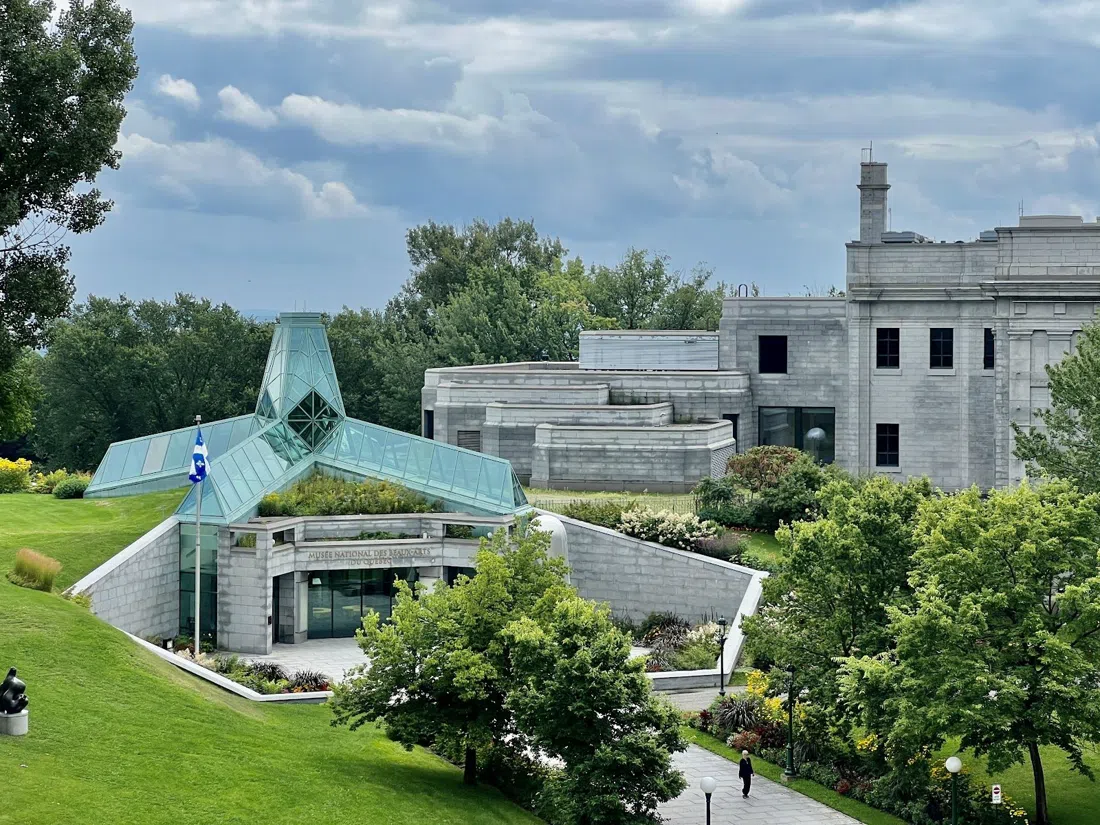
Groups should reserve ahead — the museum handles school and tour bookings routinely, but a reservation avoids queuing at a single admissions desk during peak season. Adult admission is roughly $15–18 CAD, and Wednesday evenings run at half price, worth timing a visit around if your schedule allows it and you don't need a guided tour.
Covering the Ground: Bikes and Guided Walks
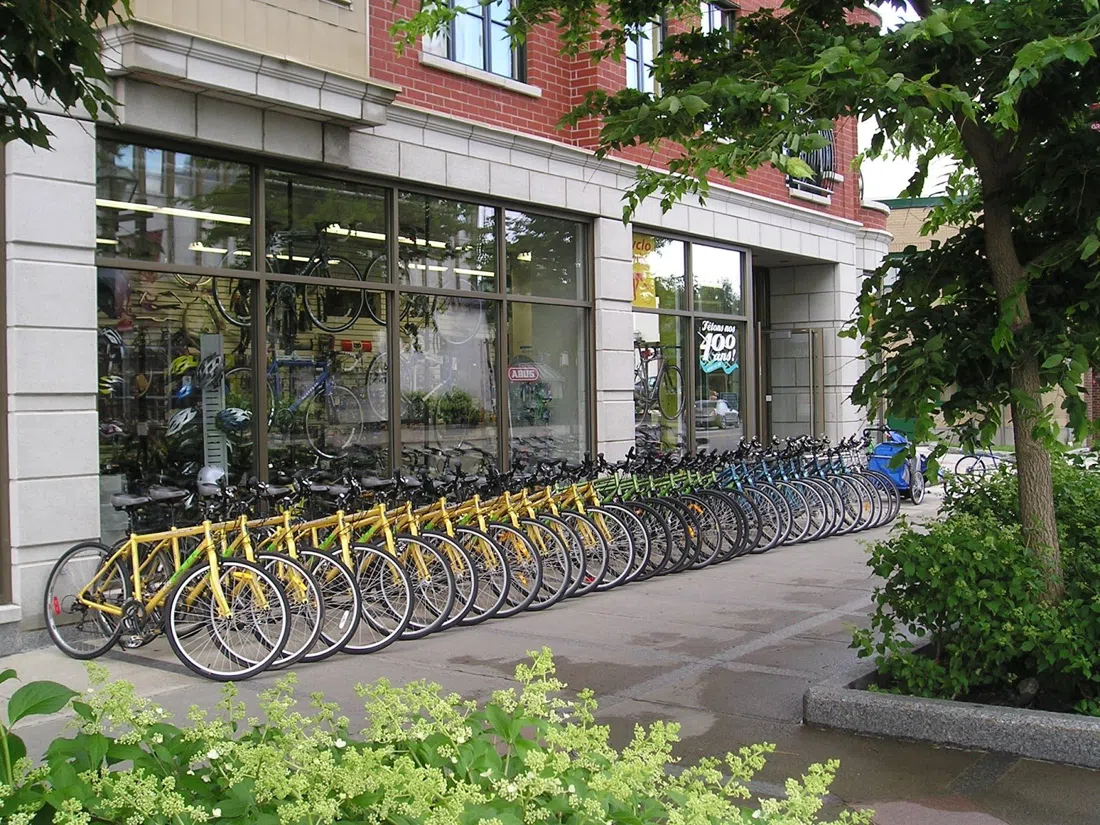
Ninety-eight hectares is a lot to cover on foot if you also want to see the river, and Cyclo Services, based near the Vieux-Port, has been renting bikes in the city since 1995. A day's rental runs roughly $35–45 CAD, and the company organizes group tours specifically for conventions, co-ops, cruise-ship groups, and families — hotel delivery is available, so a group doesn't need to trek to a rental counter before setting off. Guided tours cost extra on top of the rental. The practical case for cycling here is the connection it makes: the Plains sit on the clifftop, and a bike is the easiest way to link that ground to the riverfront promenade below without doubling back through town.
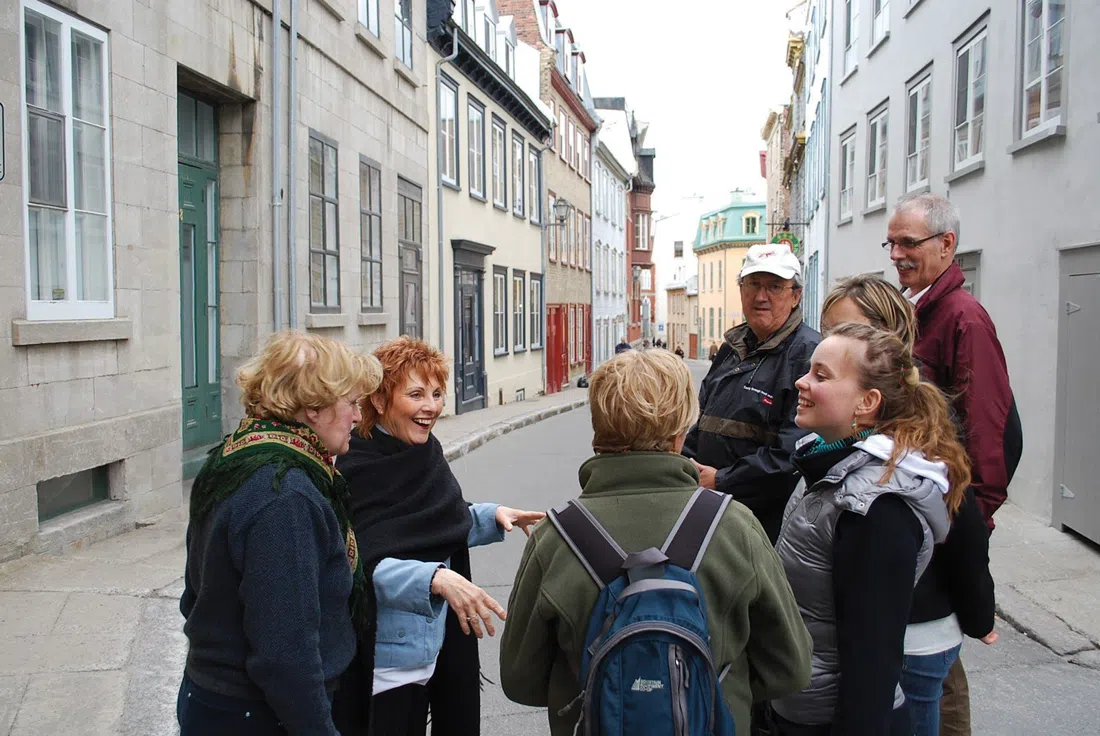
If you'd rather have the history narrated than signposted, Tours Voir Québec, departing from Vieux-Québec, runs a Grand Tour that crosses the battlefield with a guide, at roughly $35–40 CAD per person. Groups on the standard tour are capped around fifteen people, which keeps it workable for a family or small group but means larger parties — a full coach tour, say — should ask about their private and step-on guide services instead, priced separately. Either way, this is the option for readers who want someone standing on the actual ground explaining exactly where the lines formed and how the battle turned in twenty minutes, rather than reading it off a plaque.
Winter Turns the Same Lawns Into a Party
Nothing makes the park's double life clearer than Carnaval de Québec, the Québec Winter Carnival, which runs 5–14 February 2027 and uses outdoor sites across the city, the Plains among them, for a program built around snow rather than in spite of it. It is explicitly family- and group-friendly — this is not a bar-crawl event, it's the kind of carnival small children and grandparents both show up to — but anyone aged thirteen or over needs an effigy pass to access official sites, priced from roughly $29 CAD. Buy it in advance if you're travelling as a group; carnival weekends draw heavy crowds and the pass system exists partly to manage flow through the sites, not just to raise revenue.

The carnival is worth building a trip around on its own terms, but for this park specifically it completes the argument: ground that hosted a war in 1759 now hosts the country's biggest winter street party, on the same grass, without irony or awkwardness. Quebec City didn't memorialize the battlefield by fencing it off. It kept using it.
Down at the River
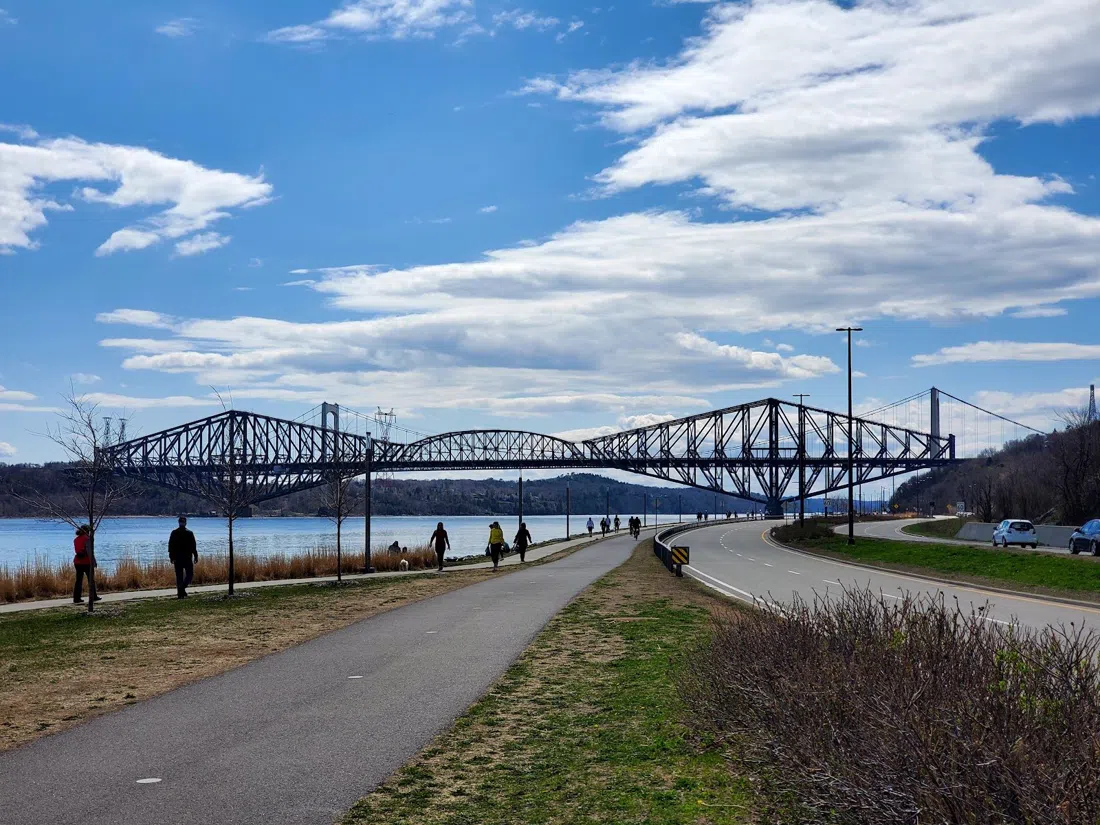
The Plains sit on the cliff; the Promenade Samuel-De Champlain is the same instinct applied at water level, a riverfront park running along the St. Lawrence from Sillery toward the Old Port. It's free, open to groups without booking, and built for the same mix of uses as the Plains above it — walking, cycling, families with small children, and, in summer, a stretch of beach. From 16 May to 20 September 2026, a weekend shuttle called the Parcours 400 runs along the promenade; the beach amenities and shuttle carry their own small costs, but walking the promenade itself is free.
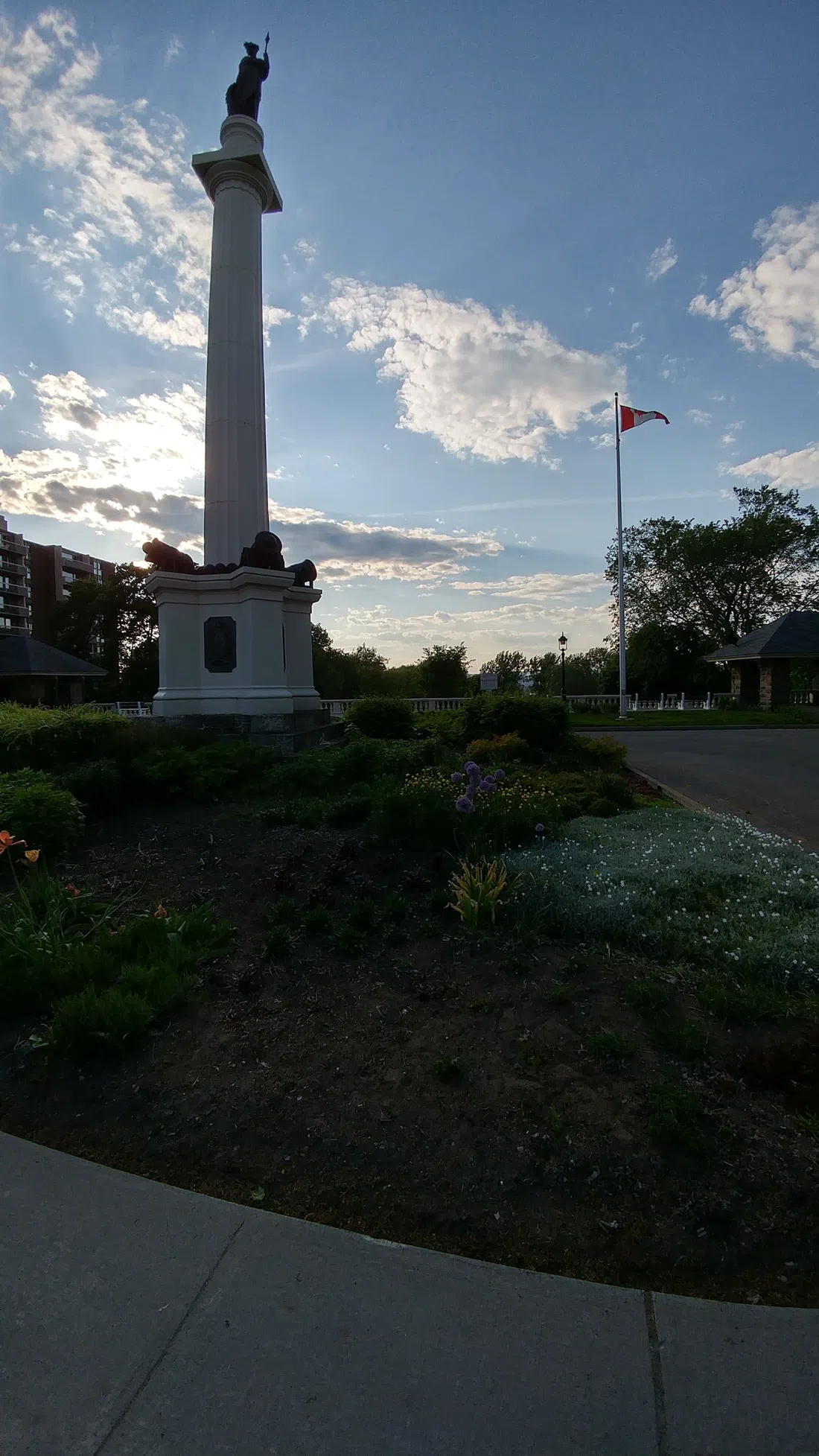
For a quieter stop with the same historical thread but far fewer visitors, Parc des Braves sits in Montcalm, a short walk south of the main Plains. This was the site of a second battle, fought in April 1760 — the French actually won this one, a fact that surprises most visitors who assume 1759 settled things outright — and it was turned into a park with the same civic reflex that produced the Plains itself. It's free, unstaffed, and quiet enough to make a genuinely good stop for a small group that wants to sit down without competing for space with a tour bus.
Getting There, Timing It, and What to Budget
Transport: The Plains, the Citadelle, the fortifications walk, and MNBAQ are all within a twenty-minute walk of each other and of Vieux-Québec, so you don't need a car or transit pass to link them — good boots do the job. To reach the Promenade Samuel-De Champlain or to cover the full 98 hectares of the Plains without exhausting a group, renting from Cyclo Services or booking a step-on guide through Tours Voir Québec both solve the distance problem. Public buses (RTC) connect Vieux-Québec to Sillery and the wider city if you'd rather not cycle.
Cash and cost: Walking the Plains, the fortifications ramparts, and Parc des Braves costs nothing. Where you'll spend money is on the ticketed sites inside or beside them — the Plains of Abraham Museum and Martello Tower (~$16–19 CAD combined), the Citadelle (~$18–22 CAD), and MNBAQ (~$15–18 CAD, half-price Wednesday evenings). A day covering two or three of these plus a bike rental lands somewhere around $70–100 CAD per person before food. Carnaval de Québec adds its own cost via the effigy pass (~$29 CAD and up) but only matters if your visit falls in the 5–14 February 2027 window.
Timing: Summer (June–September) is when the Parks Canada ramparts walks run free and the promenade's shuttle operates, and it's also when the Plains' lawns see the heaviest festival traffic — arrive early if you want a quiet walk rather than a crowd. Winter turns the same park into a ski and skate trail and, in February, a carnival site; dress for it and expect the pace of a visit to slow down considerably in the cold. Group bookings — for the Citadelle tour, the fortifications walk, MNBAQ, or Tours Voir Québec — should go in at least a few days ahead in peak season (July–August and carnival week), since guides and admission desks both have real capacity limits even though the park itself never closes its gates.
Where to stay: Basing yourself near Vieux-Québec or the Grande Allée puts every stop in this guide within walking distance; start your search via Quebec hotel search.